SMS Marketing for E-Commerce in Chicago
SMS marketing for Chicago e-commerce businesses. Drive sales with abandoned cart recovery, flash sales, and personalized text campaigns in Chicago.
Abandoned Cart Recovery via SMS
Abandoned cart recovery is where SMS earns its keep in e-commerce. Industry averages show that nearly 70 percent of online shopping carts are abandoned before checkout. For Chicago e-commerce businesses, that represents thousands of dollars in unrealized revenue every week.
Email-based cart recovery works, but slowly. Open rates are modest and response times stretch across hours or days. SMS cart recovery reaches the customer within minutes of abandonment, while the purchase intent is still fresh.
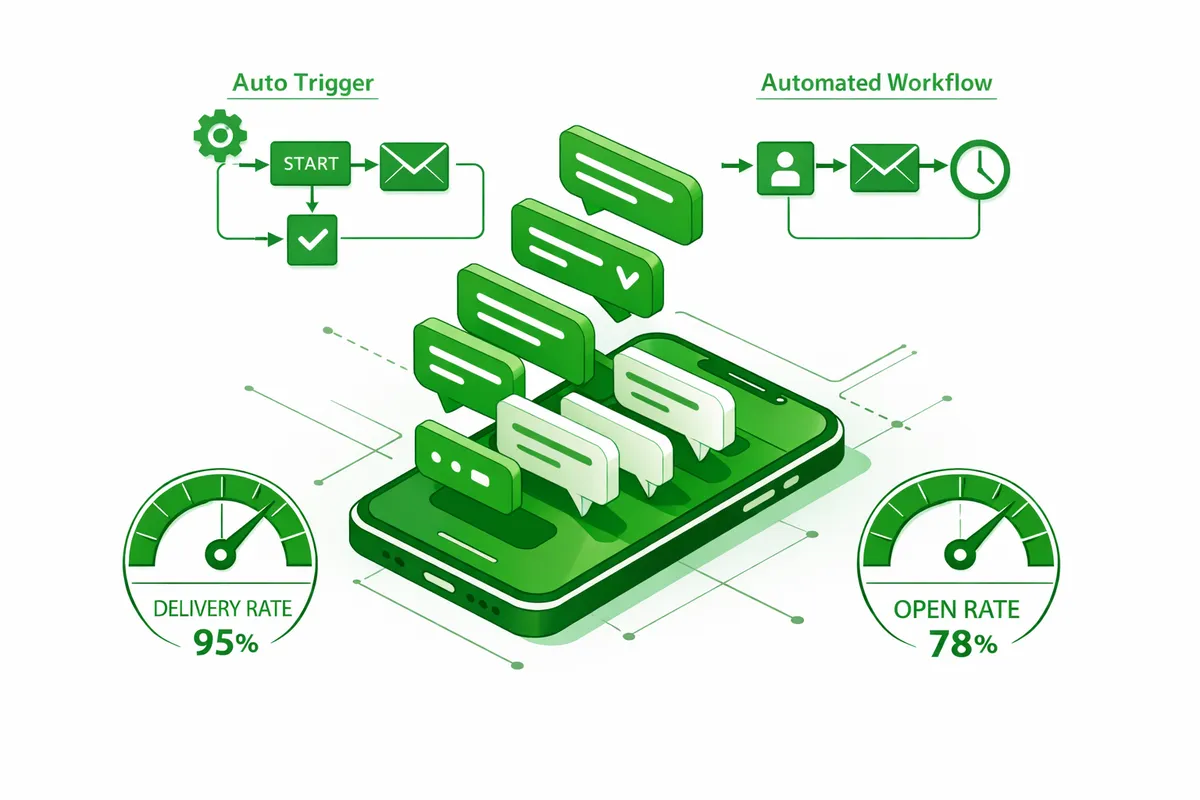
A typical SMS cart recovery sequence looks like this. The first message goes out 30 to 60 minutes after abandonment. It is a simple reminder with a direct link back to the cart. No discount yet. Many customers simply got distracted and will complete the purchase with a nudge.
If the first message does not convert, a second message goes out 24 hours later. This one might include a small incentive. Free shipping, a 10 percent discount, or a bonus gift with purchase. The key is making the offer feel exclusive and time-limited.
A third and final message at 48 hours creates urgency. The items in the cart will not be reserved indefinitely. Stock is limited. The discount expires at midnight. This three-step sequence routinely recovers 15 to 25 percent of abandoned carts for our Chicago e-commerce clients.
Building Your SMS Subscriber List in Chicago
The foundation of any SMS program is the subscriber list. Unlike email, where people grudgingly sign up knowing they will probably ignore most messages, SMS subscribers are higher-intent. They are actively choosing to hear from you in their most personal communication channel.
List building for Chicago e-commerce businesses starts at the point of purchase. A post-checkout prompt offering 15 percent off the next order in exchange for SMS opt-in converts at 30 to 40 percent. Website popups timed to exit intent capture visitors who might otherwise leave without any connection to your brand.
In-store signage works for Chicago brands with physical presence. A QR code at the register in your Fulton Market pop-up or your Lincoln Park retail location bridges the gap between in-person and digital. Customers who buy in store and subscribe to SMS become multichannel buyers with significantly higher lifetime value.
Social media cross-promotion is another effective channel. Instagram stories and TikTok videos that drive followers to an SMS opt-in landing page tap into audiences that already engage with your brand. The transition from social follower to SMS subscriber deepens the relationship.
Every opt-in must be compliant with TCPA regulations. Running Start Digital builds all SMS programs with proper consent flows, clear opt-out mechanisms, and documentation that protects your business from compliance issues.
Campaign Types That Drive Revenue
Beyond abandoned cart recovery, Chicago e-commerce brands should run several types of SMS campaigns throughout the year.
Flash sales and limited drops. SMS is the ideal channel for time-sensitive promotions. A 4-hour flash sale announced via text creates urgency that email cannot match. Chicago brands that time these around local events like Lollapalooza weekend, the Chicago Marathon, or the first warm weekend of spring see strong engagement because the timing feels relevant and intentional.
New product launches. Your SMS list should be the first to know about new products. Giving subscribers early access or exclusive first-look pricing rewards them for being on your list and drives immediate sales velocity.
Loyalty and VIP programs. Segment your highest-value customers into a VIP SMS tier. These customers get early access, exclusive discounts, and personalized recommendations. Chicago shoppers respond well to VIP treatment because the city's culture values loyalty and reciprocity.
Post-purchase follow-ups. A text message asking for a review, offering a complementary product, or sharing care instructions extends the customer relationship beyond the transaction. These messages have high engagement because they arrive when the customer is excited about their purchase.
Seasonal campaigns. Chicago's dramatic seasons create natural marketing moments. Winter coat drops when the first freeze hits. Patio furniture when spring finally arrives. Back-to-school campaigns aligned with CPS schedules. Aligning your SMS calendar with the rhythms of Chicago life makes your messages feel timely rather than random.
Segmentation and Personalization
Blasting the same message to your entire list is the fastest way to drive opt-outs. Effective SMS marketing requires segmentation based on customer behavior, purchase history, and engagement patterns.
At minimum, segment by purchase frequency (new vs. repeat buyers), average order value (budget shoppers vs. premium buyers), product category preferences, and geographic location within the Chicago area. A customer who buys athletic wear should not receive texts about formal dresses. A customer who has purchased three times in the last month should receive a loyalty reward, not a first-time buyer discount.
Personalization goes beyond using the customer's first name. Reference their last purchase. Recommend products based on their browsing history. Acknowledge their loyalty milestone. The more relevant the message feels, the higher the conversion rate and the lower the opt-out rate.
Measuring SMS Performance
Every SMS campaign should be measured against clear metrics. Revenue per message sent tells you the direct financial impact. Conversion rate shows what percentage of recipients take action. Opt-out rate indicates whether your frequency or content is causing fatigue. List growth rate measures whether your subscriber base is expanding or contracting.
Running Start Digital sets up tracking and analytics that connect SMS performance directly to e-commerce revenue. You see exactly which campaigns drive sales, which segments respond best, and where to invest your messaging budget for maximum return.
Compliance and Best Practices
SMS marketing is regulated by the Telephone Consumer Protection Act. Violations carry fines of $500 to $1,500 per message sent without proper consent. This is not a channel where you can cut corners on compliance.
Every SMS program we build includes explicit opt-in confirmation, clear identification of your brand in every message, simple one-tap opt-out functionality, frequency caps that prevent message fatigue, and quiet hours that respect your customers' time. Chicago customers who feel respected by your messaging practices stay subscribed longer and convert at higher rates.
Why Chicago E-Commerce Brands Choose Running Start Digital
We build SMS programs for Chicago e-commerce businesses that treat every message as a revenue opportunity. Not brand awareness. Not engagement for its own sake. Revenue.
Our approach starts with your e-commerce platform. Shopify, WooCommerce, BigCommerce, or custom builds all integrate with our SMS infrastructure. Automated flows run in the background generating revenue while you focus on product and operations. Campaign strategy aligns with the Chicago market calendar so your messages feel relevant and timely.
Every campaign is tracked, measured, and optimized based on real performance data. You know exactly what your SMS program earns, and you can make decisions based on numbers rather than guesswork.
Frequently Asked Questions
Q: How quickly can an SMS program start generating revenue?
Most Chicago e-commerce businesses see their first SMS-driven sales within the first week of launching an abandoned cart recovery sequence. Building a robust subscriber list takes 60 to 90 days, but automated flows start producing returns immediately with your existing customer base.
Q: What is a reasonable SMS budget for a Chicago e-commerce startup?
SMS costs are measured per message sent. Platform fees typically run $25 to $100 per month for small to mid-size lists. Message costs range from $0.01 to $0.05 per text depending on volume. Most Chicago e-commerce brands see a 25 to 45x return on their SMS spend, making it one of the highest ROI channels available.
Q: How often should I text my customers?
Start with two to four messages per month for general subscribers. VIP segments can handle slightly higher frequency if the content is genuinely valuable. Monitor opt-out rates closely. If opt-outs spike after a campaign, reduce frequency or improve targeting.
Q: Can SMS work alongside my email marketing program?
SMS and email are complementary, not competitive. Use email for longer content, storytelling, and detailed product information. Use SMS for time-sensitive offers, reminders, and direct calls to action. The combination typically outperforms either channel used alone by 20 to 30 percent.
Q: Do I need a separate SMS platform or can I use my e-commerce tools?
Most e-commerce platforms have basic SMS capabilities through apps and integrations. For serious SMS marketing with segmentation, automation, and proper analytics, a dedicated SMS platform integrated with your e-commerce system produces significantly better results. We help Chicago e-commerce brands select and configure the right tools for their specific needs.
Ready to put this into action?
We help businesses implement the strategies in these guides. Talk to our team.