Finding and Vetting New York Creators
Finding creators is easy. Finding creators who actually drive business results requires a more disciplined approach.
Start with audience alignment. The creator's followers need to match your customer profile. A fintech startup targeting young professionals in Manhattan needs creators whose audiences are young professionals in Manhattan. Geography matters. Demographics matter. Psychographics matter even more. Does this creator's audience care about the problem your product solves?
Next, verify engagement quality. Follower counts mean nothing if engagement is bought or manufactured. We analyze comment quality, story reply rates, and engagement consistency over time. A creator with 3,000 followers and 8% engagement is more valuable than a creator with 30,000 followers and 0.5% engagement. The smaller account has a real community. The larger account has numbers on a screen.
Content style fit matters too. Your brand has a voice. The creator has a voice. These need to complement each other without feeling forced. The best influencer partnerships feel natural because the creator genuinely connects with the product. Forced endorsements are obvious to audiences and damage both the creator's credibility and your brand's reputation.
We look for creators connected to specific New York communities and cultural moments. A creator who covers Dumbo arts events. A food creator who reviews restaurants in Astoria. A tech creator who covers Silicon Alley startup launches. These community connections produce content that resonates locally because it is rooted in real experience.
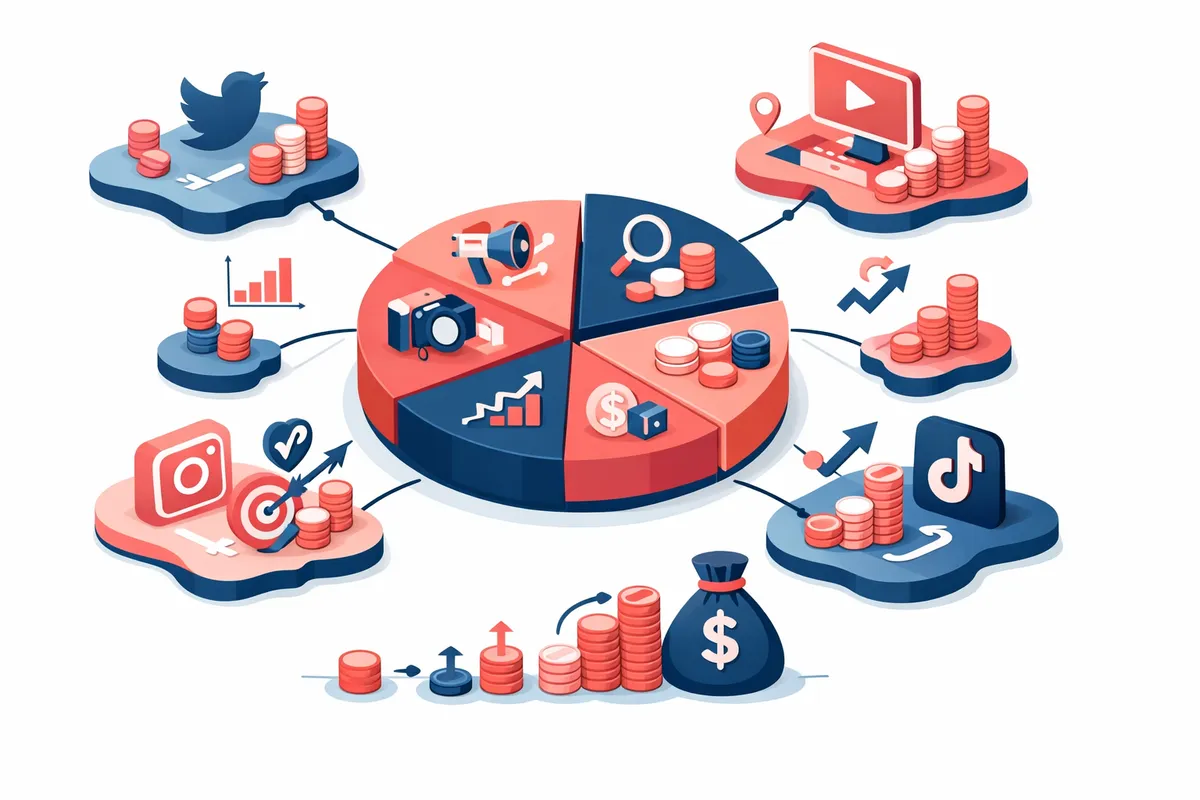
Platform selection matters for New York campaigns. Instagram and TikTok dominate for consumer products. LinkedIn works for B2B startups targeting New York professionals. Twitter/X still drives conversation among New York media and tech communities. YouTube works for longer-form product reviews. Each platform has different dynamics and different creator economics.
Structuring Deals That Protect Your Budget
Startup budgets do not allow for vanity spending. Every influencer dollar needs to produce measurable results. That requires deal structures built around performance, not impressions.
Affiliate and commission models. The creator promotes your product with a unique discount code or affiliate link. They earn a commission on every sale they generate. You pay for results, not reach. This aligns incentives perfectly. The creator is motivated to drive actual purchases, not just post and forget.
Product-for-content exchanges. For early-stage startups with limited cash, offering your product in exchange for content can be highly effective. Many micro-influencers are open to this, especially if they genuinely like your product. A Brooklyn skincare startup sending products to ten local beauty creators can generate substantial content without spending cash on placement fees.
Hybrid compensation. A small base fee plus performance bonuses gives creators some guaranteed income while keeping your costs aligned with results. This works well for established micro-influencers who want some certainty but are confident enough in their audience to accept performance-based upside.
Content usage rights. Always negotiate usage rights upfront. Creator content can be repurposed as ad creative, website assets, email imagery, and social proof across your marketing channels. A single influencer shoot can produce content that works across five different channels for months. The content value often exceeds the placement value.
Campaign duration matters. One-off posts rarely move the needle. Multi-post campaigns over four to eight weeks build familiarity and trust with the creator's audience. Their followers see your product multiple times in authentic contexts. Repetition builds recognition. Recognition builds trust. Trust builds sales.
Running New York-Specific Campaigns
New York gives you campaign hooks that do not exist in other markets. Local events, neighborhood culture, seasonal rhythms, and city-specific moments create natural content opportunities.
Neighborhood campaigns. Partner with creators in specific neighborhoods to build hyperlocal awareness. A startup launching in Chelsea can work with Chelsea-based creators to generate concentrated local buzz. The geographic focus makes the campaign feel relevant and immediate to people who actually live and shop in that area.
Event-based campaigns. New York has events constantly. Fashion Week. Restaurant Week. Brooklyn Night Market. Art openings in Tribeca. Tech meetups in Flatiron. Aligning creator campaigns with local events gives content natural context and timeliness. A fashion tech startup partnering with creators during New York Fashion Week gets relevance that money cannot buy.
Seasonal campaigns. New York's seasons create distinct consumer behavior patterns. Summer rooftop culture. Fall back-to-school energy. Winter holiday shopping. Spring outdoor revival. Campaigns timed to these rhythms feel natural rather than forced.
Cross-neighborhood campaigns. For citywide launches, coordinating creators across Manhattan, Brooklyn, Queens, and other boroughs creates the impression of organic discovery. When people in different neighborhoods see different creators talking about the same product independently, it feels like genuine word-of-mouth rather than coordinated marketing.
Measuring What Matters
Influencer marketing measurement should be ruthlessly focused on business outcomes. Impressions and reach are interesting. Revenue and customer acquisition are what matter.
Track these metrics for every campaign:
Direct attribution. Unique discount codes and UTM-tagged links attribute every sale to the specific creator who generated it. This tells you which creators drive actual revenue and which generate engagement without conversion.
Cost per acquisition. Total campaign cost divided by total customers acquired. Compare this against your other acquisition channels. Influencer marketing should be competitive with or better than paid advertising on a cost-per-customer basis.
Content value. The content creators produce has value beyond the immediate campaign. Calculate the cost of producing equivalent content through a studio shoot or creative agency. Many startups find that influencer-generated content is both cheaper and more authentic than professionally produced alternatives.
Audience growth. Track follower growth and engagement changes on your own channels during and after campaigns. Good influencer campaigns do not just drive sales. They build your own audience for future direct marketing.
Repeat purchase rate. Customers acquired through influencer referrals often have higher lifetime value than customers from paid ads because the trust transfer from the creator carries forward. Track whether influencer-acquired customers buy again at higher rates.
Common Mistakes New York Startups Make
Chasing follower counts. The creator with 100,000 followers charges ten times more and often delivers worse results than five creators with 10,000 followers each. Engagement quality beats reach every time for startup budgets.
Ignoring content fit. Partnering with a creator solely because of their numbers without evaluating content style produces awkward, inauthentic posts that audiences ignore. The content needs to feel like it belongs on the creator's feed.
One-and-done campaigns. A single post rarely drives meaningful results. Influence builds over time through repeated, authentic exposure. Budget for sustained campaigns rather than one-off posts.
No measurement infrastructure. Running campaigns without tracking codes, UTM parameters, and proper attribution means you cannot learn what works. Every campaign should produce data that informs the next one.
Overpaying for exclusivity. Some startups pay premium rates for exclusive creator partnerships before they know if the creator drives results. Start with standard campaigns. Upgrade to exclusivity after you have performance data that justifies the premium.
Building a Long-Term Creator Network
The real power of influencer marketing compounds over time. Your first campaign teaches you which creators perform. Your second campaign doubles down on performers and tests new talent. By your fourth or fifth campaign, you have a reliable network of New York creators who know your brand, understand your product, and consistently drive results.
This creator network becomes a durable competitive advantage. New York creators who have worked with you before produce better content because they understand your brand. Their audiences recognize your product from previous mentions. The trust compounds. The results improve. The cost per acquisition drops.
Some of our most successful client programs started with five micro-influencer tests at $500 each and grew into ongoing relationships with twenty-plus creators driving six figures in annual revenue.
Frequently Asked Questions
Q: How much should a startup budget for influencer marketing in New York?
Start with $2,000 to $5,000 for an initial test campaign with five to ten micro-influencers. This gives you enough data to evaluate performance before committing larger budgets. Successful programs typically scale to $5,000 to $15,000 monthly as you identify high-performing creators.
Q: How do I find micro-influencers in my specific New York neighborhood?
Search location-tagged content on Instagram and TikTok for your target neighborhoods. Look for creators who consistently post from Williamsburg, Chelsea, Dumbo, or wherever your customers are concentrated. We also maintain a database of vetted New York creators across industries and neighborhoods.
Q: What engagement rate should I look for in New York micro-influencers?
For creators with 1,000 to 10,000 followers, look for 5% or higher engagement rates. For 10,000 to 50,000 followers, 3% or higher is strong. Anything below 2% at any follower count suggests low audience quality or purchased followers.
Q: Should I work with creators on Instagram, TikTok, or both?
It depends on your target customer. Instagram works best for lifestyle, fashion, food, and wellness products in New York. TikTok drives better results for consumer products targeting under-35 audiences. B2B startups should consider LinkedIn creators. Test one platform first, then expand based on results.
Q: How long before I see results from influencer campaigns?
Individual posts can drive sales within 24 to 48 hours if the creator's audience is highly engaged. Sustained brand-building results take 8 to 12 weeks of consistent creator partnerships. Plan for a 90-day initial program to properly evaluate the channel.
Q: Can influencer marketing work for B2B startups in New York?
Yes. LinkedIn micro-influencers and industry thought leaders in New York's fintech, ad tech, and media tech communities can drive B2B leads effectively. The approach is different from consumer campaigns, but the principle of leveraging trusted voices applies equally.
[Start Your Influencer Program]